Why Custom Levels Matter
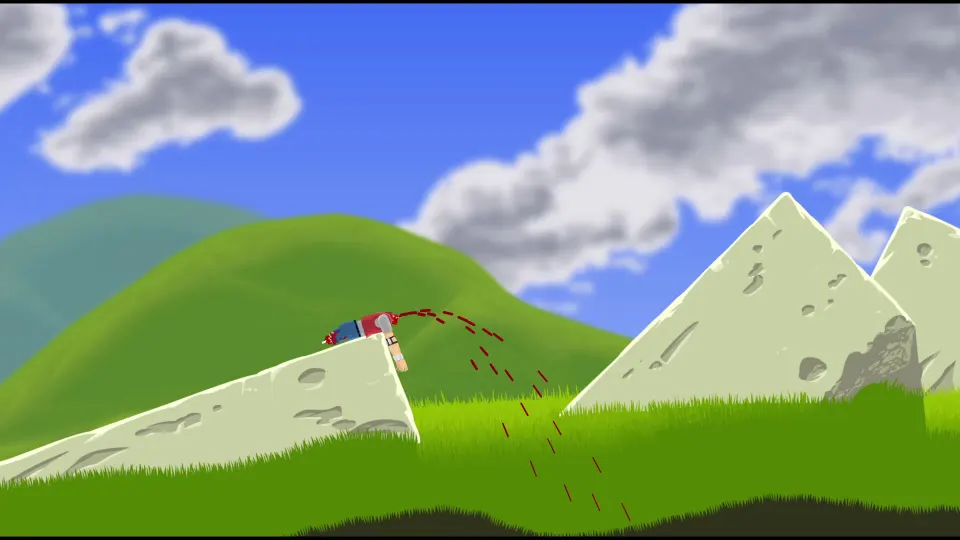
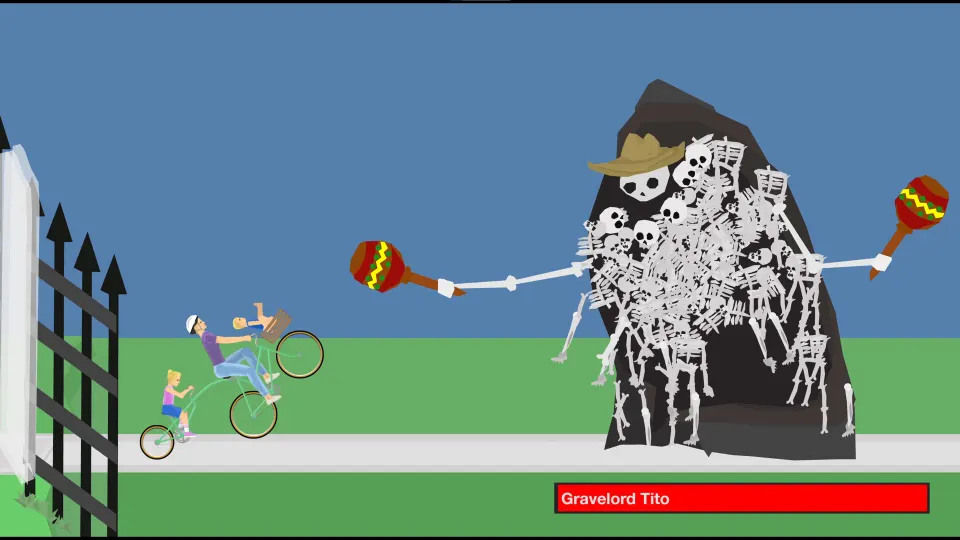
Happy Wheels custom levels are where the game becomes much bigger than its built-in courses. Players can create a brutal spike fall, a carefully timed vehicle run, a story-driven escape, a sword-throwing challenge, or an elaborate physics experiment—and every level asks you to adapt.
The best part is variety. One level may reward tiny, precise Pogo Stick inputs, while the next wants a reckless eject from a vehicle or a patient route through traps. Community levels also give the game a long life because creators continue to invent new themes, mechanics, and challenges.
| Level style | What to expect | Good choice for |
|---|---|---|
| Spike Fall | Tight gaps, hazards, and controlled falling | Players who enjoy precision |
| Bottle Run | Fast reactions while avoiding obstacles | Players who want short retries |
| Sword Throw | Aim-based combat or target puzzles | Players who prefer timing |
| Obstacle Course | Mixed movement, traps, and routes | Players seeking variety |
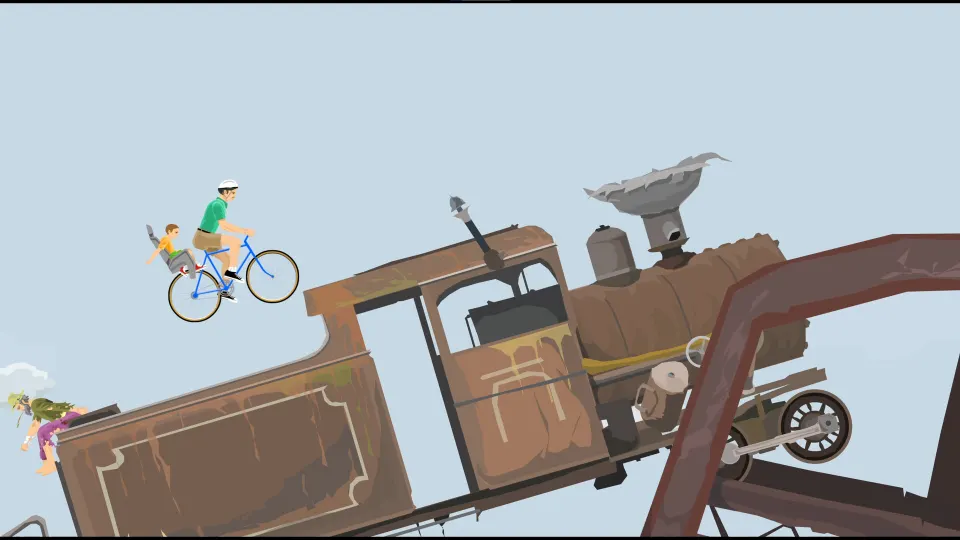
| Vehicle Run | Momentum, balance, and crash recovery | Players who enjoy physics chaos |
Finding Levels Worth Playing
Start on the Happy Wheels website and browse creator profiles or community recommendations. A creator’s level list shows names, ratings, dates, and play links, which makes it useful for finding series or identifying creators whose style suits you.
Do not judge every level by its name alone. A simple title may hide a clever course, while a heavily decorated level may be more about visual presentation than gameplay. Ratings can help, but they are most useful when paired with a quick look at the creator’s other work.
When choosing a level, look for signals that match what you want to play:
- Repeated titles with numbers often indicate a connected series.
- Names such as “test” or “demo” may be experimental rather than polished.
- “Hard,” “impossible,” and “hardcore” usually mean frequent restarts and advanced control.
- Themed levels, such as medieval, space, Minecraft-inspired, or holiday courses, often emphasize scenery and atmosphere.
- A creator with several well-rated releases is a strong place to start.
| Example creator | Notable level types | What their catalog demonstrates |
|---|---|---|
| Bigbloodhead | Sword Throw, obstacle courses, vehicle circuits, art levels | Wide-ranging levels with strong themes |
| HardcoreMapCreator | Death runs, logic systems, hardcore rooms, droppers | Difficult, technical challenge design |
| starfrost26 | Rope swings, bottle runs, courses, horror-themed stages | Short-form experiments and familiar modes |
| 0XDaManX0 | Pogo challenges, harpoon runs, themed action levels | Focused challenges and community contests |
If you find a level URL number through a community list, you can load it directly from the game’s level/replay loading feature. This is handy when a recommendation link is inconvenient or when you want to save a specific level for later.
Play Better and Get More From Each Level
Custom levels can be unforgiving, but most become easier once you treat each attempt as information. Instead of trying to force the same failed move, identify whether your timing, speed, character position, or route caused the crash.
Use the first few attempts to learn the level’s language. A mine may be intended as a launch tool, a child passenger may activate a trigger, or a loose object may be a required counterweight. What looks like random chaos is often a puzzle built around Happy Wheels physics.
| Situation | Useful approach | Common mistake |
|---|---|---|
| Narrow spike passage | Slow down and center your character before entering | Carrying too much speed |
| Pogo challenge | Practice jump timing and balance separately | Repeating inputs too quickly |
| Mine or explosive obstacle | Test from a safe angle and observe the effect | Standing too close to the blast |
| Long vehicle descent | Protect balance and preserve momentum | Overcorrecting after a bump |
| Multi-part puzzle | Check what changed after each action | Assuming every object is decoration |
Replays are especially useful for difficult courses. Watching a fast or successful run can reveal an intended shortcut, a safer setup, or an input sequence that is hard to notice during your own attempt. They are also a reminder that a difference of a few frames can matter in competitive runs.
For a smoother learning process, try this routine:
- Complete the course once without worrying about time.
- Restart and identify the slowest or most dangerous section.
- Practice one input sequence at a time instead of improvising everything.
- Watch a replay only after making a few independent attempts.
- Save your best run if the level supports replays, then return later to improve it.
Rating levels thoughtfully helps other players find worthwhile creations. Consider how clearly the level communicates its goal, whether the challenge feels intentional, whether restarts are fair, and whether its theme or mechanics do something memorable.
Creating Levels Players Will Remember
A successful custom level does not need to be huge. It needs one clear idea that works. A short bottle run with clean pacing can be more enjoyable than a giant course packed with unrelated hazards.
Begin with a player promise. Decide what the first ten seconds should communicate: “This is a fast downhill run,” “This is a precision Pogo level,” or “This is a trap-filled escape.” Build every obstacle around that promise.
| Design goal | Strong approach | Avoid |
|---|---|---|
| Fair difficulty | Teach a mechanic before demanding mastery | Killing players before they understand the hazard |
| Replay value | Offer a fast route or satisfying optimization | Making every attempt identical |
| Clear pacing | Alternate intense moments with brief recovery | Placing maximum danger in every screen |
| Theme | Match scenery, hazards, and objective | Adding decoration that hides key obstacles |
| Strong ending | Make the finish feel earned or surprising | Ending immediately after an arbitrary obstacle |
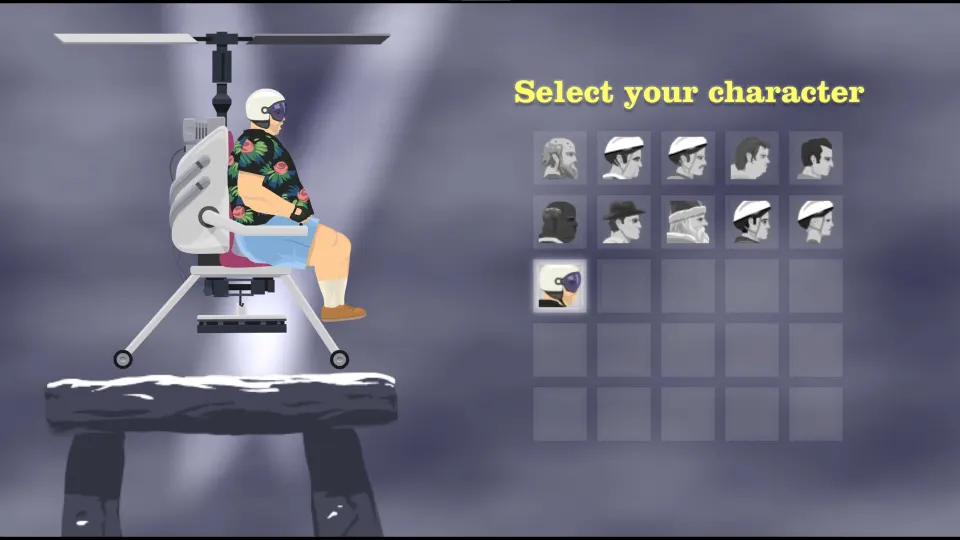
Test your level with different characters if its concept allows it. A route that feels perfect for one vehicle may become broken, trivial, or impossible with another. If you want a character-specific challenge, make that expectation obvious through the opening design.
Keep the first playable version small. One beginning, one central mechanic, and one ending are enough. Once that structure works, add visual details, alternate routes, hidden rewards, or a tougher optional section.
Popular community creations often use recognizable formats—spike falls, rope swings, sword throws, jetpack courses, or obstacle rooms—but add a distinct twist. A medieval sword-throwing stage, a space obstacle course, a logic system, or a themed vehicle circuit is easier to remember than a generic collection of hazards.
FAQ
What are happy wheels custom levels?
Happy wheels custom levels are player-created stages that expand the game beyond its official courses. They can include obstacle runs, physics challenges, puzzles, themed adventures, combat setups, and speedrun-focused courses.
Where can I find custom levels?
You can browse levels through Happy Wheels creator profiles, community lists, and recommendations from other players. Creator pages are useful because they show a catalog of levels, ratings, and dates in one place.
Why do some custom levels seem impossible?
Many are designed for advanced movement, exact timing, or repeated experimentation. “Impossible” is often part of the challenge’s name or tone rather than a literal claim. Replays and careful observation can reveal the intended route.
Should I rate every level I play?
Rate levels when you have spent enough time to judge them fairly. Consider design, clarity, challenge, originality, and how well the level delivers on its premise—not only whether you completed it.
How do I make my first level better?
Start with one mechanic, test it repeatedly, and remove confusing or unfair sections. A short level with a clear goal, readable hazards, and a satisfying finish is a better first project than an oversized level with too many ideas.